
Understanding the psychological impacts of gambling on decision-making processes
The Nature of Gambling and Decision-Making
Gambling is often seen as a game of chance, yet it is deeply intertwined with psychological processes that influence decision-making. The excitement and risk associated with gambling can evoke strong emotions, which play a crucial role in how decisions are made. For many individuals, the thrill of a potential win can overshadow logical thinking, leading to impulsive choices that may not align with their best interests. If you’re looking for a diverse gaming experience, exploring top online casinos can significantly enhance your understanding of this world.
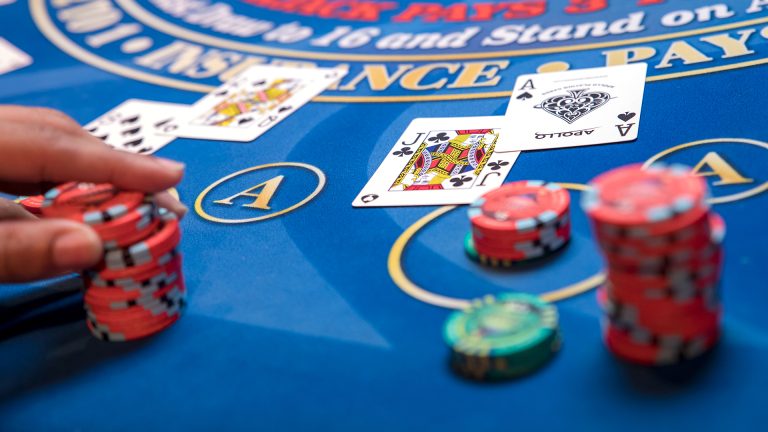
The interplay between emotion and rationality in gambling creates a complex landscape. Emotional responses can cloud judgment, leading individuals to place higher bets or continue playing despite losses. Understanding this dynamic is essential for recognizing how gambling behavior can deviate from traditional decision-making models.
Cognitive Biases in Gambling
Cognitive biases significantly impact how gamblers perceive risks and rewards. One common bias is the illusion of control, where individuals believe they can influence the outcome of a game through skill or strategy, even in purely chance-based games. This misconception can lead to overconfidence, resulting in poor decision-making and increased losses.
Another prevalent bias is the gambler’s fallacy, which causes individuals to believe that past events can influence future outcomes. For instance, a player may think that after a series of losses, they are “due” for a win. These biases not only distort perception but also create a cycle that can perpetuate unhealthy gambling habits.
The Role of Emotion in Gambling Decisions
Emotional factors play a pivotal role in gambling decisions. Fear, excitement, and euphoria can all influence the choices a gambler makes. For instance, a winning streak can evoke feelings of exhilaration, leading players to take unnecessary risks. Conversely, losses can lead to frustration and the pursuit of a “chase,” where individuals gamble more to recover their losses, often compounding their problems.
Moreover, gambling can become a coping mechanism for stress or anxiety, further complicating decision-making. When individuals use gambling as a form of escape, their ability to make rational decisions is significantly impaired, leading to potentially harmful financial and emotional consequences.
Responsible Gambling and Decision-Making
Responsible gambling practices are essential for mitigating the negative psychological impacts on decision-making. Education around the risks associated with gambling and the recognition of cognitive biases can empower individuals to make more informed choices. Setting limits on time and money spent can also foster a healthier relationship with gambling.
By prioritizing self-awareness and emotional regulation, gamblers can enhance their decision-making processes. Understanding one’s triggers and responses can help in resisting impulsive actions and maintaining control during gameplay. Ultimately, responsible gambling encourages a balanced approach that respects both the entertainment value and the potential risks involved.

More Resources for Understanding Gambling Psychology
For individuals seeking deeper insights into the psychological impacts of gambling, various resources can help navigate this complex terrain. Websites dedicated to gambling education often provide valuable information on cognitive biases, emotional triggers, and responsible gambling strategies. Additionally, support networks can offer guidance for those struggling with gambling-related issues.
Exploring these resources can lead to a better understanding of personal gambling behavior and encourage healthier decision-making practices. By fostering awareness and education, individuals can engage in gambling responsibly while enjoying its entertainment aspects without compromising their well-being.