
Supporting sustainable meat options often involves investing in local economies and small-scale farms, which can help stimulate regional economies and create jobs. This investment supports a more resilient and diversified food system that benefits both local https://www.eatright.org/food/planning/food-security-and-sustainability/sustainable-eating communities and the environment. Beyond resource allocation, plant-based proteins contribute to reduced greenhouse gas emissions, as plants absorb carbon dioxide during their growth cycle.
Organic Foods and Sustainability
Sustainable food shopping is a powerful way to contribute to a healthier planet. By understanding the environmental impact of our food choices and making informed decisions, we can pave the way towards a sustainable food future. The farm-to-table movement has gained significant momentum in recent years as people become more conscious of the environmental impact of their food choices. This movement emphasizes the importance of supporting local and sustainable agriculture, and it has become a popular trend in the culinary world.
How to Make Eco-Friendly Food Choices
Solar-powered gadgets and energy-efficient appliances contribute to lower carbon footprints, aligning with our commitment to sustainability. Certifications, like Energy Star and Fair Trade, help guide us toward more reliable, eco-friendly options. When it comes to our diets, the IPCC says we need to buy less meat, milk, cheese and butter – but also eat more locally sourced seasonal food, and throw less of it away. Their findings showed that meat and other animal products are responsible for more than half of food-related greenhouse gas emissions, despite providing only a fifth of the calories we eat and drink. Avoiding meat and dairy products is one of the biggest ways to reduce your environmental impact, according to scientific studies.
The Least Sustainable Foods
Excessive packaging is a significant contributor to plastic waste and pollution. By choosing products with minimal packaging or opting for items with biodegradable or recyclable packaging, you can make a meaningful impact on reducing waste. Meat itself really isn’t the problem; it’s how the animals were raised. On one end of the spectrum, there are industrial-sized livestock operations called Concentrated Animal Feeding Operations (CAFO’s) which are highly destructive to our health and the environment. They promote antibiotic resistance and deforestation, pollute the air and water ways and cause health issues for anyone living nearby.
- However, livestock husbandry is a huge source of methane emissions.
- On the other end of the spectrum, animals allowed to freely roam and eat as nature intended are beneficial to our health and the environment.
- For climate-friendly tomatoes, choose those grown outdoors or in high-tech greenhouses, instead of in greenhouses heated by gas or oil.
- Other types of root vegetables are ginger, radish, celery, and turmeric.
- As often as possible, choose grass-fed, pasture-raised and wild-caught animal products.
- The absorption of these greenhouse gases changes the ocean’s pH levels and increases its acidity.
Reducing Food Waste
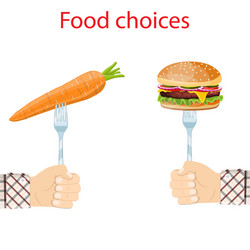
Instead of paper napkins, rent linen napkins, tablecloths, and runners. If you’re going for straws in mixed drinks, rent or buy reusable stainless steel ones. Or, for a less expensive option, pick paper straws over plastic ones; they decompose more easily and won’t harm sea life. Your wedding is meant to be the greatest day of your life, but with tossed paper reddit goods, excess food thrown away, and leftover flowers dumped in the garbage, it can also be one of the most wasteful. We’re not saying you should skip the party or forgo those gorgeous details, but if you’re eco-conscious you should consider hosting a green wedding.
Sustainable Eating: 7 Eco-Friendly Food Choices
If we actually use nut trees to their full potential, nuts like almonds can have a minimal and even negative carbon footprint. We have more than 2,000 edible varieties to choose from and with their umami flavor, unique texture, and high protein content (relative to their light weight) they are an ideal substitute for meat. As they grow down into the ground, tubers absorb and store nutrients, providing carbohydrates (AKA energy) during the cold months when not much else is growing. We are what we eat, and what we eat has a profound impact on the planet. Hormones were implanted into animals so that the animals grow faster. In fact, cattle implanted with a hormone pellet grows up to 20% faster than non-implanted cattle.
LED Eyelash Extensions: How Innovation Is Redefining Safety, Precision, and the Future of the Beauty Industry
Look for certifications like MSC (Marine Stewardship Council) for seafood and Animal Welfare Approved for meat, indicating high sustainability and ethical treatment standards. Opt for grass-fed and pasture-raised meat, as these choices are more environmentally friendly and often higher in nutrients compared to conventionally raised meat. Going back to what our ancestors ate thousands of years ago means they’re also better suited to challenging climates, pests, frosts, winds, and drought. Considered some of the most environmentally friendly foods, we can all do our part to bring these ancient grains back into the mainstream. Not only are they healthy, but chia seeds have also been ranked one of the most sustainable foods in the world.
It also reduces the capacity of these areas to absorb carbon in the future. These animals would enter a state of decline because they don’t feed properly. For instance, bottom trawling is a fishing technique that involves dragging a big net across the seabed. Mussels, known as clams, are freshwater organisms with two hard external shells. The edible part of mussels contains 80% water, 9-13% protein, 0-2% fat, and 1-7% glycogen.
The Impact of Sustainable Eating
As demand for these eco-friendly alternatives surges, there’s an implicit reduction in strain on global food supplies. Less land dedicated to intensive farming means more can be present. Beyond the environmental benefits, pasture-raising animals contribute to a higher quality of life.
When more people adopt eco-friendly diets, the collective impact can lead to significant reductions in carbon emissions. Small choices, like eating plant-based meals more frequently or reducing waste, help fight climate change and create a positive ripple effect. Consuming any of the leafy vegetables supports your gut health and immune system.
Ways Eating Less Meat Helps The Environment
Moreover, many people seek out organic food because of its benefits to their health, without considering the environmental impact of organic food and non-organic food. One of the most impactful ways to promote sustainable eating habits is passing them on to younger generations. Teach kids about where their food comes from, involve them in gardening, and show them how to prepare simple meals using local ingredients. Instilling these habits early empowers them to make eco-conscious decisions throughout their lives. Did you know that roughly one-third of all food produced worldwide is wasted? Reducing food waste is one of the easiest ways to practice eco-friendly food tips.
Be Conscious of Floral Arrangements
Simultaneously, it champions sustainable agriculture, safeguarding soil and water ecosystems. Plus, you can feel good knowing that the food on your plate was grown with care and respect for the environment. So next time you’re at the grocery store, consider choosing organic options to support a healthier planet and lifestyle. Supporting ethical farming practices goes beyond just choosing organic or locally sourced foods.